
As ecologists, we expect surprises in the field, but some discoveries carry more weight than others. Non-native invasive species can cause serious ecological damage, present legal challenges, or even pose risks to our health. For these reasons, spotting and recording them is an essential skill during ecological surveys.
Our team recently recorded the yellow-striped flatworm, a first for us, and it prompted reflection on how vital it is for ecologists to be confident in identifying and reporting invasive species. Here, we highlight some of the most frequently encountered — and why vigilance matters.
Japanese Knotweed: The Legal Heavyweight
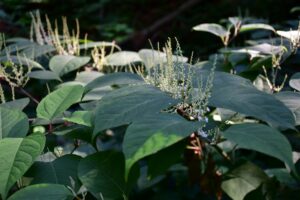
Perhaps the most infamous non-native plant in the UK, Japanese knotweed (Fallopia japonica) is a game-changer on development sites. Recognisable by its bamboo-like stems and shovel-shaped leaves, it spreads aggressively through rhizomes.
Under the Wildlife and Countryside Act 1981, it’s an offence to plant or cause knotweed to spread in the wild. For ecologists, accurate identification and early reporting are crucial so that landowners and developers can act quickly with specialist contractors.
Himalayan Balsam: Pretty but Problematic
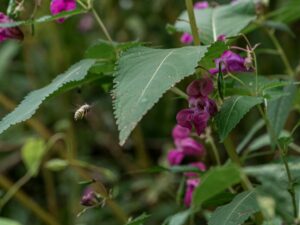
With striking pink flowers, Himalayan balsam (Impatiens glandulifera) might look attractive, but its impact on riparian habitats is devastating. Its explosive seed pods allow rapid spread, outcompeting native plants and leaving riverbanks vulnerable to erosion once it dies back in winter.
Surveyors should note and map populations, while following strict biosecurity measures to avoid spreading seeds between sites.
Giant Hogweed: A Serious Health Hazard
Towering over two metres tall, giant hogweed (Heracleum mantegazzianum) is unmistakable — and dangerous. Its sap can cause severe skin burns when combined with sunlight, creating a genuine health and safety concern for surveyors.
Beyond its risks to people, hogweed shades out native species and disrupts riverbank ecosystems. Awareness, protective clothing, and clear reporting are essential.
New Zealand Pigmyweed: The Aquatic Invader
In wetland sites and ponds, New Zealand pigmyweed (Crassula helmsii) is one to watch for. Forming dense mats, it smothers native aquatic plants and reduces oxygen levels, threatening fish and invertebrates.
Often introduced through ornamental ponds, it can be tricky to spot in its submerged form. Ecologists should remain alert and ensure it’s recorded during aquatic surveys.
Yellow-Striped Flatworm: An Emerging Concern
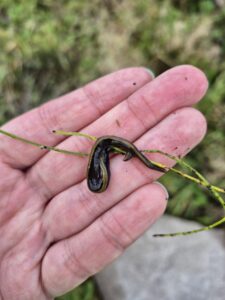
Our recent encounter with the yellow-striped flatworm (Australoplana sanguinea) was a reminder that even the smallest finds matter. With a long, thin body and a bright yellow stripe, this Australian species preys on earthworms, undermining soil health and ecosystem function.
If encountered, photographs and accurate location data should be recorded with the GB Non-Native Species Secretariat (NNSS).
Signal Crayfish: A Common Watercourse Find
Widespread across UK rivers and streams, the signal crayfish (Pacifastacus leniusculus) has displaced the native white-clawed crayfish through competition and by carrying a lethal fungal plague.
For ecologists, recording populations and following strict biosecurity (e.g., disinfecting boots and nets) is vital to prevent further spread.
American Mink: Small Predator, Big Impact
American mink (Neovison vison), often encountered near wetlands, are skilled hunters that have decimated water vole populations across the UK. Although sightings during surveys are relatively rare, evidence such as tracks or droppings can be significant and should always be logged.
Other Species to Watch For
We also occasionally encounter Rhododendron, Chinese mitten crab, and Harlequin ladybirds. While not always headline-makers, their impacts on native ecosystems reinforce the need for ecologists to remain observant in every habitat.
Training Ecologists to Recognise and Report Non-Native Species
https://wildwoodecology.com/careers-at-wildwood/Recognising invasive species is not always straightforward, especially when surveying under pressure. That’s why we invest heavily in training and developing our ecologists. From CPD sessions to mentoring in the field, our goal is to ensure every surveyor can confidently identify, record, and advise on non-native species when they appear.
Conclusion: Shared Responsibility Among Ecologists
Every ecologist plays a role in protecting habitats from invasive species. Whether it’s spotting Japanese knotweed on a development site, recording signal crayfish in a stream, or stumbling upon the unexpected yellow-striped flatworm, our vigilance helps safeguard biodiversity.
By sharing knowledge and supporting training, we can strengthen our collective response to invasive species and continue to raise professional standards across the sector.