
Biodiversity Net Gain of Shugborough Estate
CLIENT
National Trust
SERVICES
Consultation and advisory services, BNG Assessment, UK Habs survey and Condition Assessment
DATE
2022 – 2024
OVERVIEW:
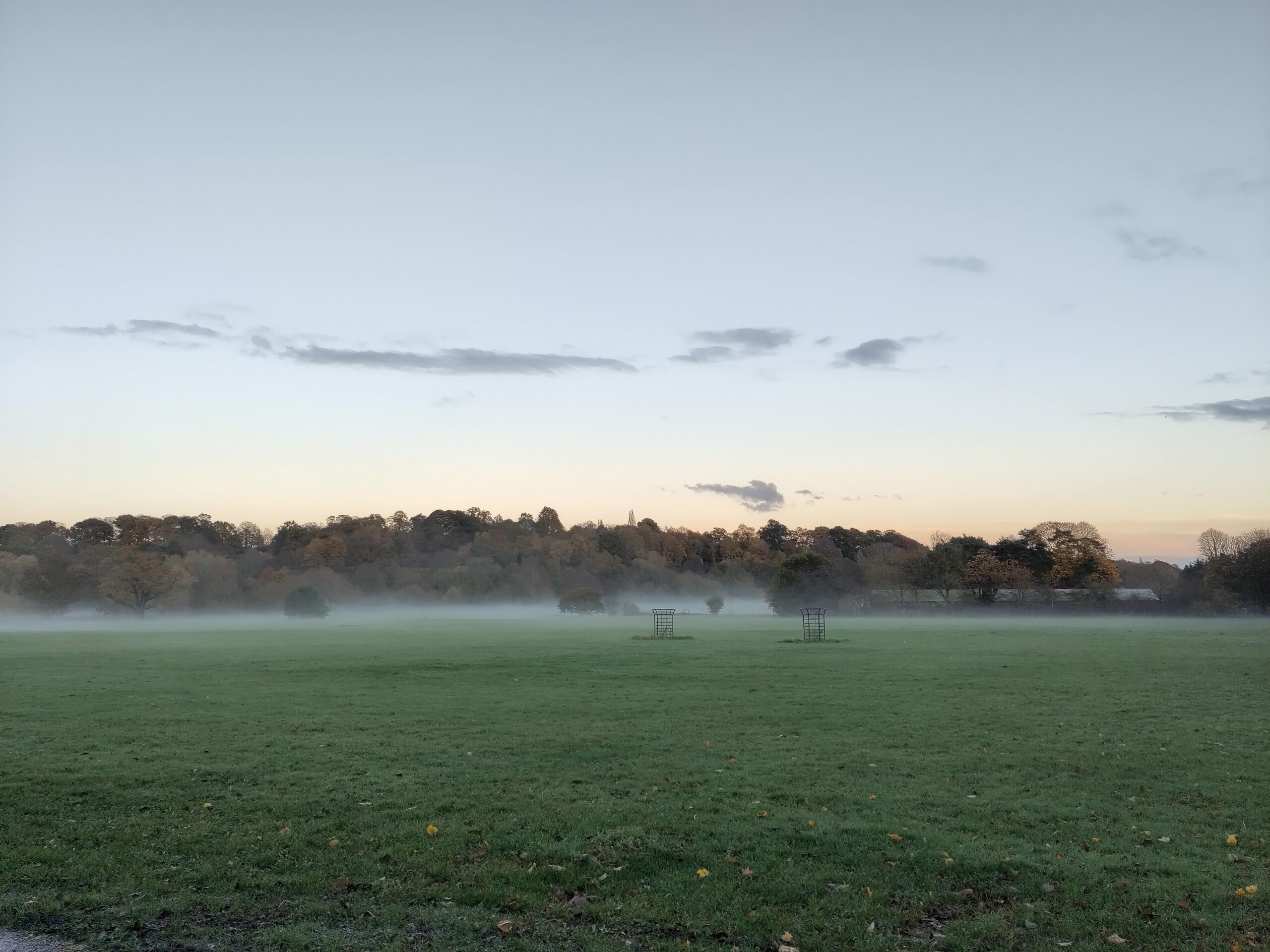
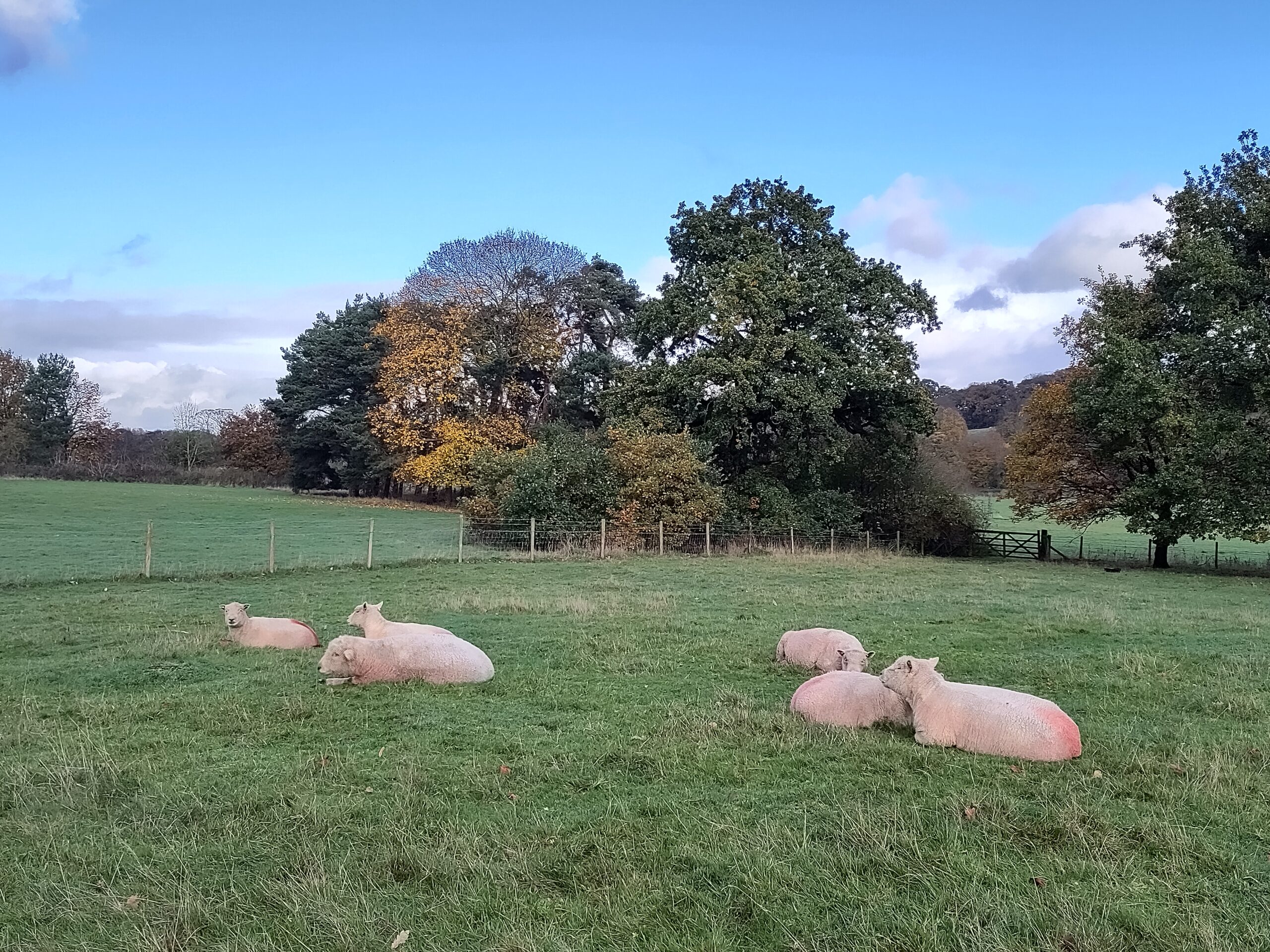
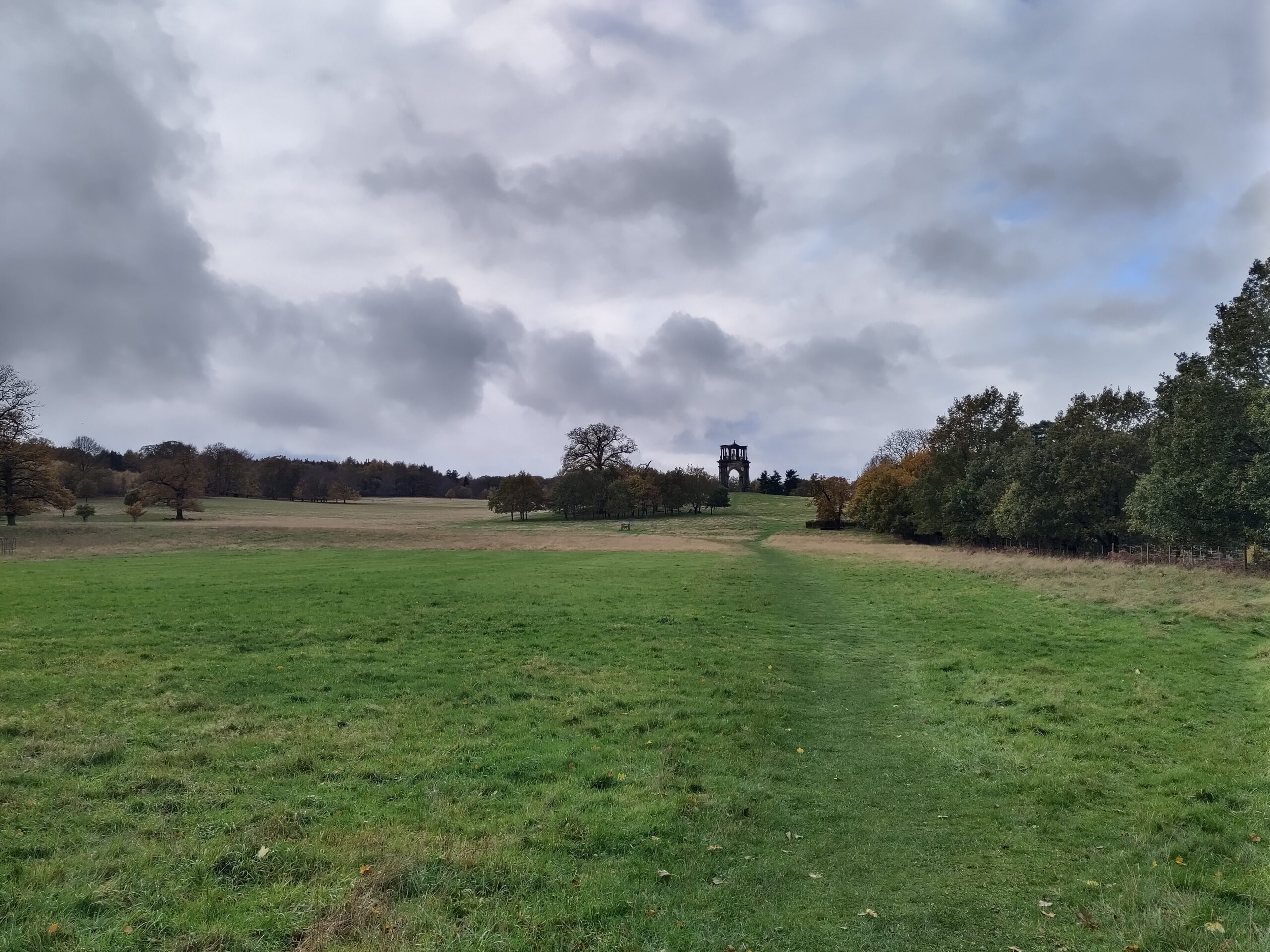
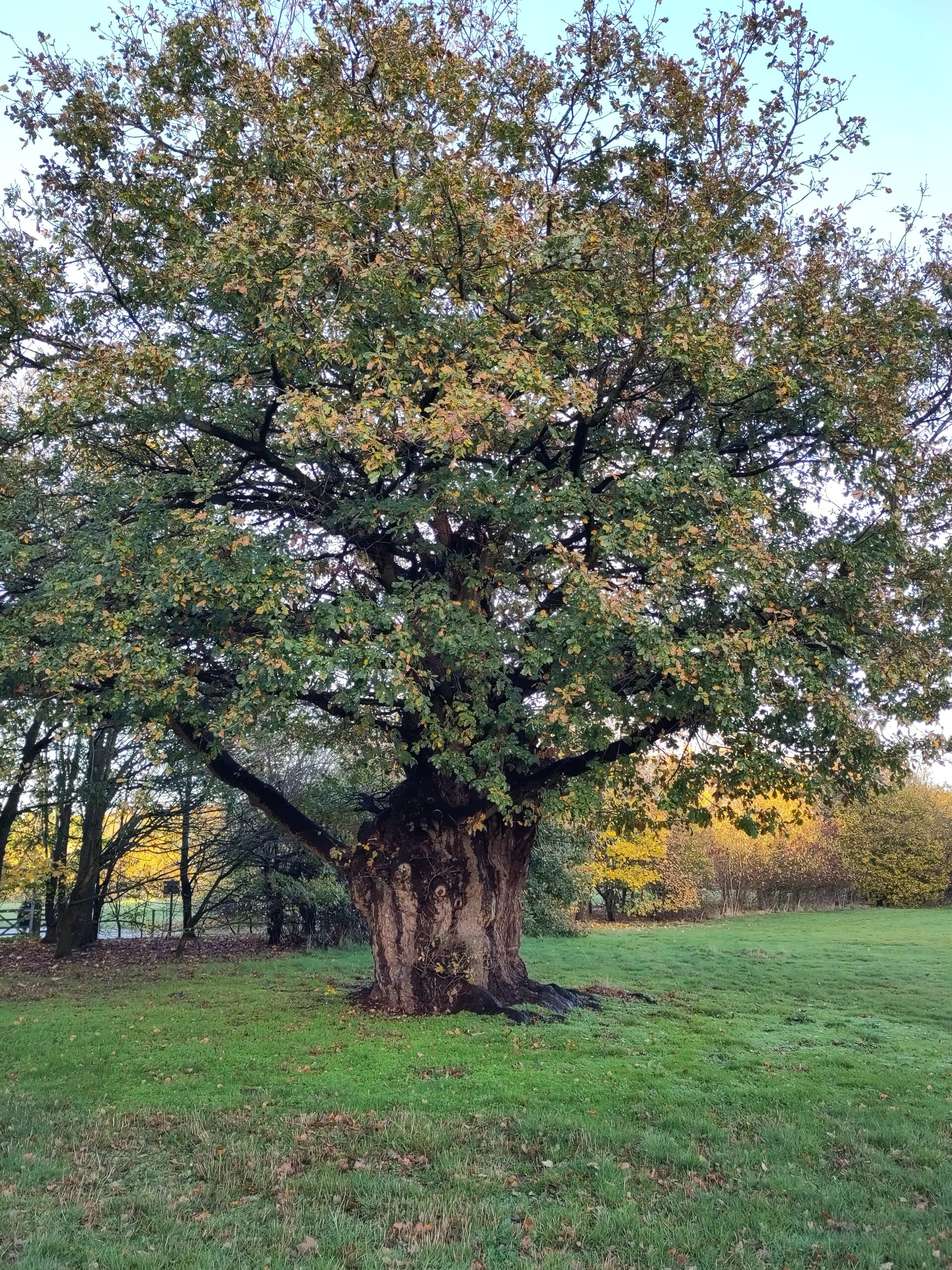
National Trust appointed Wildwood Ecology to provide a Biodiversity Net Gain assessment for Shugborough Estate. Notably the ‘Re-orientating Shugborough’ project, a large-scale re-landscaping programme of the estate.
Their vision was to enhance the landscape and grounds of the historic estate and improve the overall visitor experience. This will involve increased parking provision, improved accessibility, construction of a large new visitor centre, and re-establishing historic areas, whilst also improving the natural biodiversity of the estate.

CHALLENGE:
Wildwood Ecology was appointed specifically to complete the required BNG assessment, with the additional challenge that initial ecological surveys had already been carried out by another consultancy. Staffordshire Local Planning Policy required evidence that a significant 20% biodiversity net gain would be achieved by the project, despite the mandatory 10% target for BNG not yet being enforced nationally.
The scale of the work presented an ambitious project at a large landscape level. It would be necessary to consider not only the areas where works were directly being carried out, but also to consider the offsetting opportunities for biodiversity units to be achieved within the wider estate.
Once our BNG assessment was complete, the estate would be locked in to those targets for 30 years. Therefore, communication between all those involved in the project, including the project planners, park rangers, estate managers, and Civic Engineers, was critically important to ensure the BGN recommendations would fit with the long-term vision for the estate’s management.
During the surveys, Wildwood identified an area of Lowland Dry Acid Grassland, a rare priority habitat which is in decline nationally. Much of our acid grasslands have been lost through afforestation and agriculture, due to a decline in traditional grazing methods.
This area of grassland was a high distinctiveness habitat and therefore a priority for conservation.
Most importantly to this project, the BNG ‘Trading Rules’ mean that any loss of this priority habitat is considered irreplaceable, and therefore bespoke compensation would be required if the habitat was impacted.

APPROACH:
The vast area to cover within the BNG assessment meant that new technology would be invaluable. We were able to complete the BNG metric digitally, using survey tablets, which thereby reduced paperwork and improved overall efficiency during the survey. QGIS mapping was completed on the tablet at the time of the survey, which also allowed a reduction in office time, again improving efficiency.
With the number of stakeholders involved in the project, clear communication between all parties was paramount. Regular updates and project meetings enabled sound decision making and smooth delivery of our services.
Wood-pasture/Parkland and Lowland Dry Acid Grassland are both classified as ‘Very High Distinctiveness’ Habitats in the BNG metric. Any loss of these priority habitats is considered unacceptable in the absence of bespoke mitigation.
Corroborating with the previous consultants to ensure accuracy of historic data, and park rangers who understood how this area of land had changed over time, we were tasked with ensuring the trading rules for BNG could be met. Together with the landscape team, alternative areas of lower value grassland, more suitable for woodland planting, were identified. The acid grassland was retained and enhanced with proposals for an improved management plan to prevent further deterioration of this rare habitat.
As this was primarily a project associated with improving visitor experience, Wildwood recognised the client’s need to retain the magnificent vistas and enhance the estate landscape.
Several drafts of the metric were submitted to the client, and subsequently revised to meet the requirements of the various stakeholders, until the necessary 20% net gain target was met.
OUTCOME:
The current landscape proposals demonstrably exceeded the 20% net gain target, set by Stafford Borough Council, and met the requirements of stakeholders at the estate.
The proposed development also adheres to all trading rules set out in the BNG Technical Supplement, as areas of wood pasture/parkland and lowland dry acid grassland priority habitat were identified for restoration and enhancement.
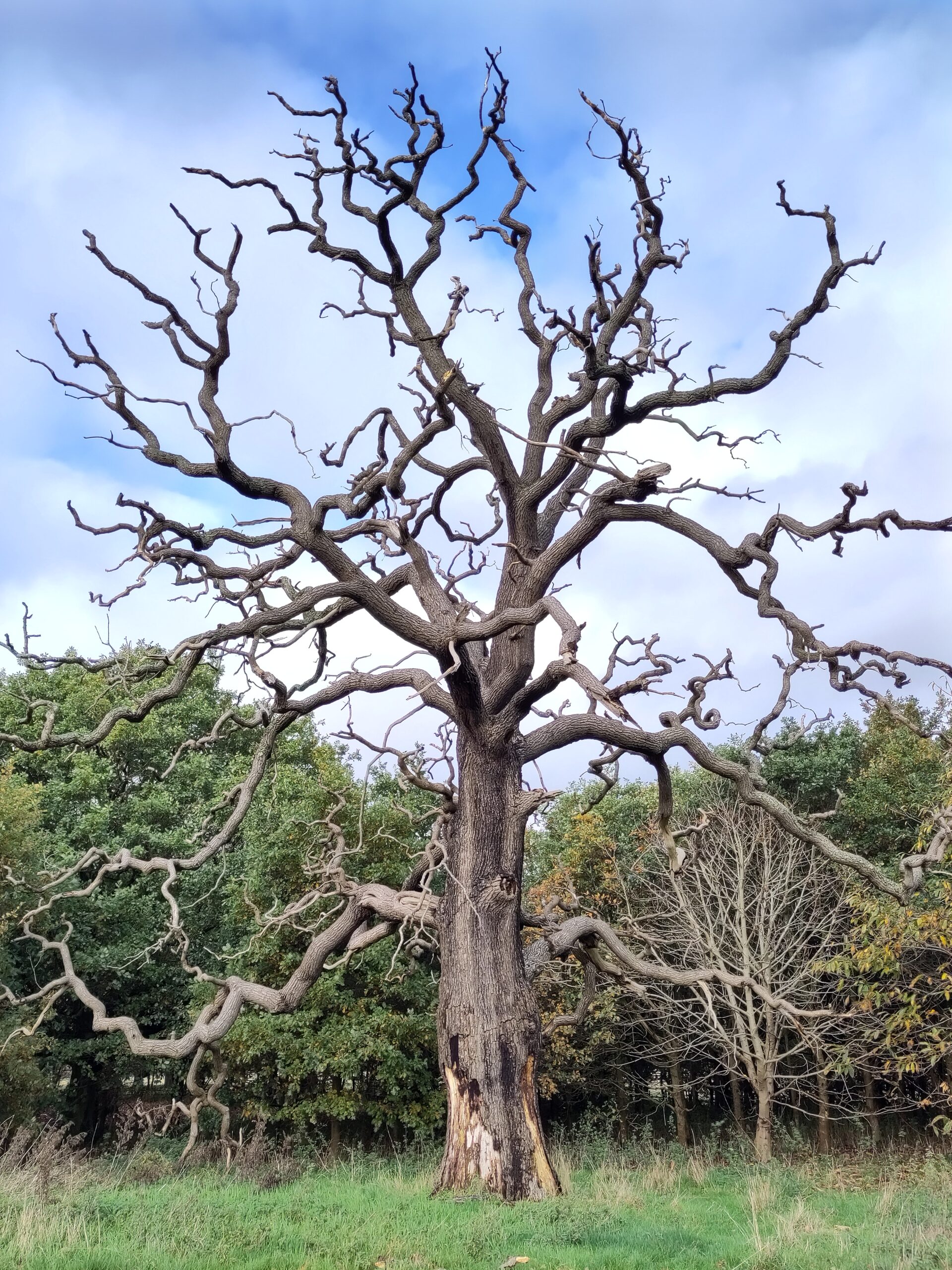
Improvements to the onsite woodland are proposed as part of an estate-wide Woodland Management Plan, to restore the wood pasture and parkland management of the estate.
Wildwood are proud to have played an integral role in the ‘Re-orientating Shugborough’ project in providing Biodiversity Net Gain advice which will ensure the estate’s ecological diversity is maintained and enhanced for future generations.
“Wildwood assisted us on a major infrastructure planning application on the Shugborough Estate which is in an AONB and has a Grade 1 listed parkland. They provided clear support and guidance in addition to providing thoughtful and considered responses to the overall design to ensure we maximised Biodiversity Net Gain (BNG) and improved habitats. This had a strong influence on the overall design for planning.”