
Delivering Complex Bat Mitigation Without Delays at Townhill Campus
Bat surveys, EPS licence management and bespoke mitigation design for multi-species roosts in Swansea
Client:
Morganstone
Location:
Swansea
Services:
- Bat activity surveys (dusk emergence surveys)
- European Protected Species licence (EPSL) application and management
- Bat mitigation design (including bespoke bat house)
- Ecological Clerk of Works (ECoW)
- Ecological supervision of demolition works
- Stakeholder liaison (including Natural Resources Wales)
Overview:
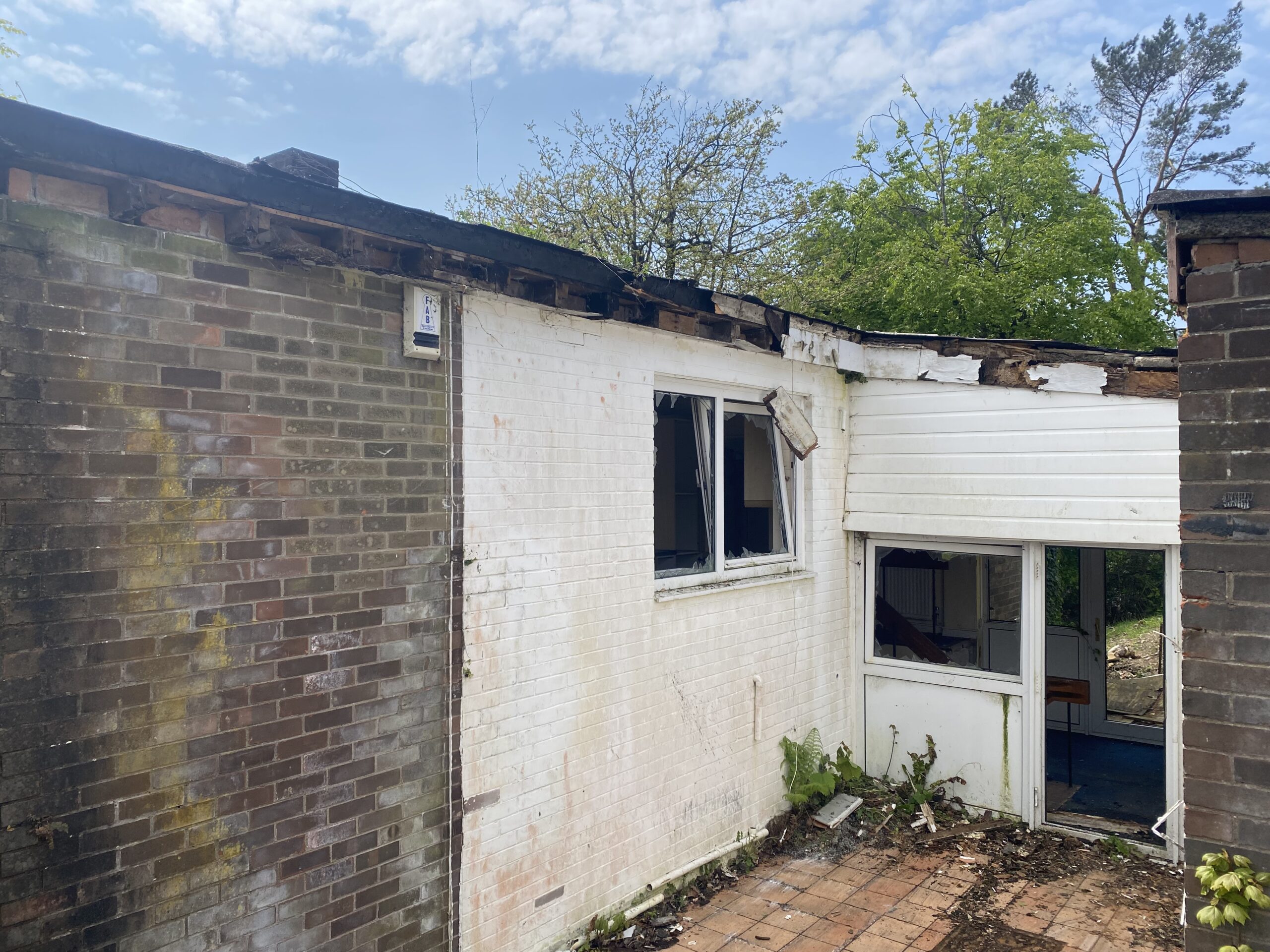
Wildwood Ecology provided specialist ecological supervision and bat mitigation support for the demolition of a building at Townhill Campus, Swansea, as part of a wider residential redevelopment. With involvement on the site dating back to 2017, our team played a key role in navigating ecological constraints across a complex, multi-phase programme. The project culminated in 2025 with the successful demolition of a bat roost structure, supported by a rapid licence amendment following the discovery of additional bats during works.
Challenge
The building supported roosts for multiple bat species, including lesser horseshoe, common pipistrelle, soprano pipistrelle and brown long-eared bats. The primary challenge was to design and implement a mitigation strategy for a multi-species roost while maintaining progress across a wider construction programme.
This required the creation of a bespoke bat roost that replicated the thermal and structural conditions of the original building, while enhancing features for different species and maintaining connectivity to surrounding habitats through sensitive lighting and dark commuting corridors.
During demolition, a greater number of brown long-eared bats were encountered than anticipated under the existing licence. This introduced additional complexity, requiring a rapid and coordinated response to ensure legal compliance, protect the bats, and avoid delays to the programme. Close liaison with Natural Resources Wales was essential to agree a solution that allowed works to continue.
Approach
Wildwood Ecology developed and delivered a mitigation strategy informed by detailed survey evidence, proactive licence management, and close coordination with Natural Resources Wales. Following the unexpected discovery of additional brown long-eared bats, a licence amendment was secured at short notice, enabling works to continue lawfully without disrupting the overall programme.
Demolition was carried out under strict ecological supervision, using a careful soft-strip methodology. The structure was dismantled in stages, with each section inspected by an experienced Ecological Clerk of Works before works progressed, ensuring bats were protected throughout.
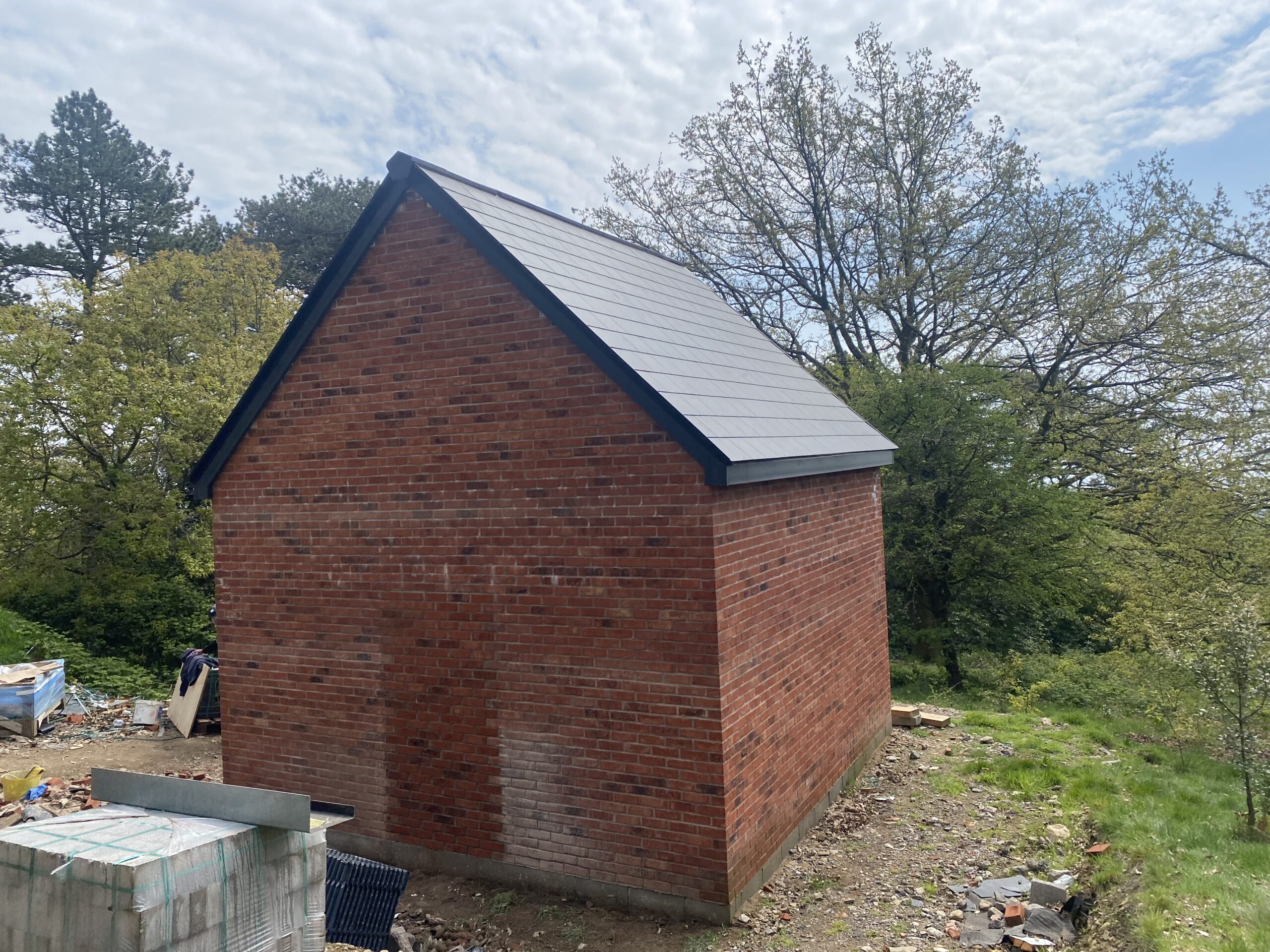
A bespoke bat house was designed to replace and enhance the original roost. The structure incorporated a range of species-specific features, including a south-facing aspect to optimise solar gain, hopper entrances for lesser horseshoe bats with direct access to dark flightlines, crevice features for pipistrelle species, and dedicated loft and ridge access points.
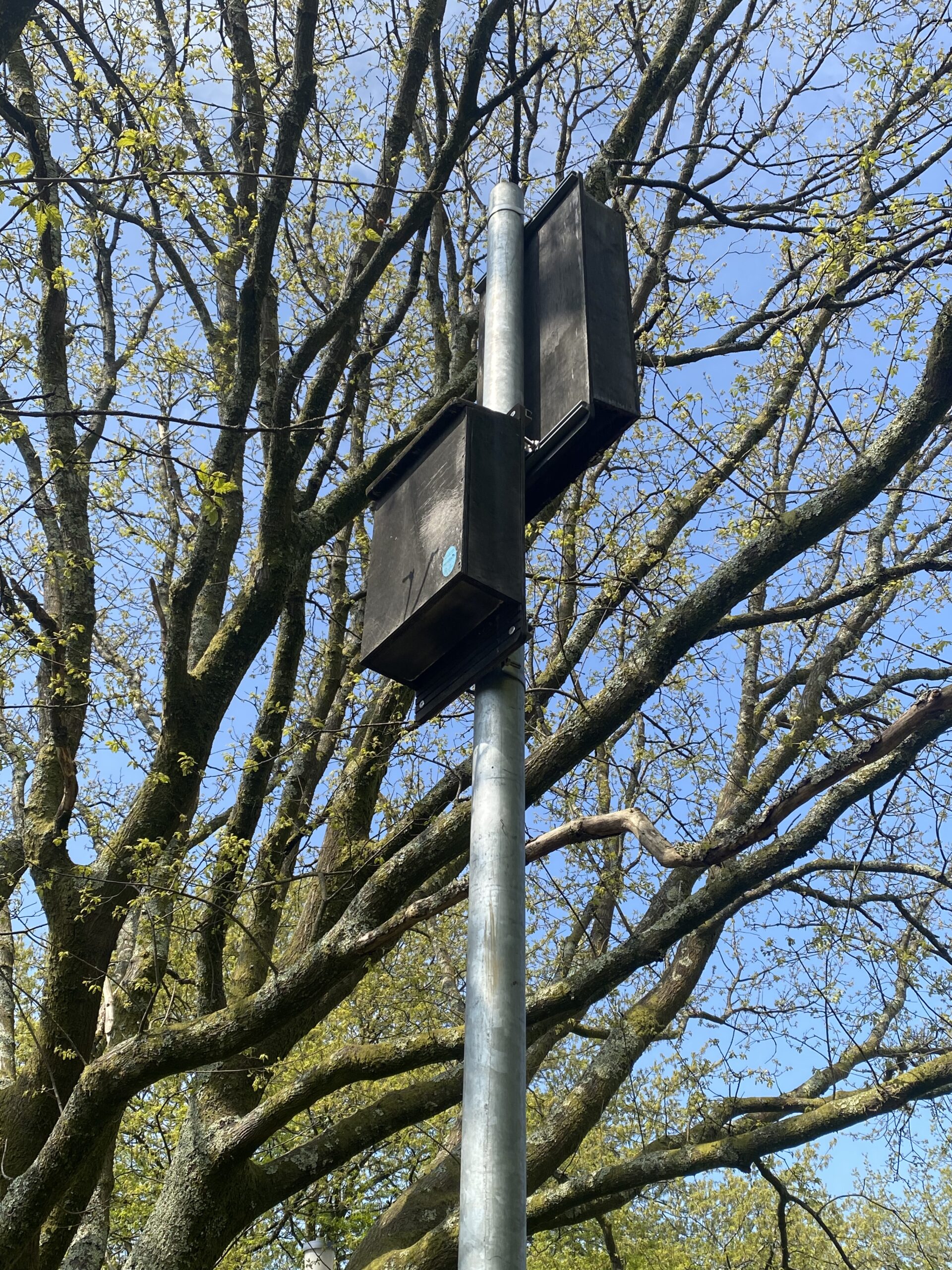
Additional features included a hibernation wall with rubble-filled cavities, bat-safe materials, a monitoring hatch, and secure fencing to prevent disturbance. New planting and a long-term management approach were also implemented to maintain habitat connectivity and suitable roosting conditions.

Outcome
The demolition was successfully completed under ecological supervision, with all works carried out in full compliance with wildlife legislation. The rapid licence amendment ensured that the programme continued with minimal disruption, avoiding potential delays and associated costs.
The project delivered a purpose-built replacement roost, designed to support lesser horseshoe, brown long-eared, common pipistrelle and soprano pipistrelle bats. The enhanced design provides both immediate mitigation and long-term ecological benefits, contributing to the favourable conservation status of local bat populations.
Wildwood Ecology’s proactive and collaborative approach enabled the successful delivery of a complex project, balancing construction requirements with robust ecological protection and demonstrating the value of early engagement, technical expertise, and effective regulator liaison.
Experts in Ecology
Ecology
- Ecological site assessments
- Biodiversity Net Gain
- Protected species surveys
- Protected species mitigation design and licence applications
- Habitat Regulations Assessment
- Ecological Clerk of Works