
Delivering a Complex Active Travel Route Through a Sensitive River Corridor
Ecological surveys, bat licensing and on-site supervision supporting a 10km walking and cycling route in the Rhondda Fach valley
Client:
Rhondda Cynon Taf County Borough Council
Location:
Rhondda Valleys
Services:
- Ecological consultation including attendance at regular meetings
- Preliminary Ecological Assessments of the route
- Preliminary Roost Assessment for two bridges and three walls
- Protected species surveys
- Ecological Impact Assessments
- European Protected Species Licence applications
- Ecological Clerk of Works (ECoW)
- Bat exclusion works under licence
- Compliance auditing
- Arboricultural surveys and reporting
Overview:
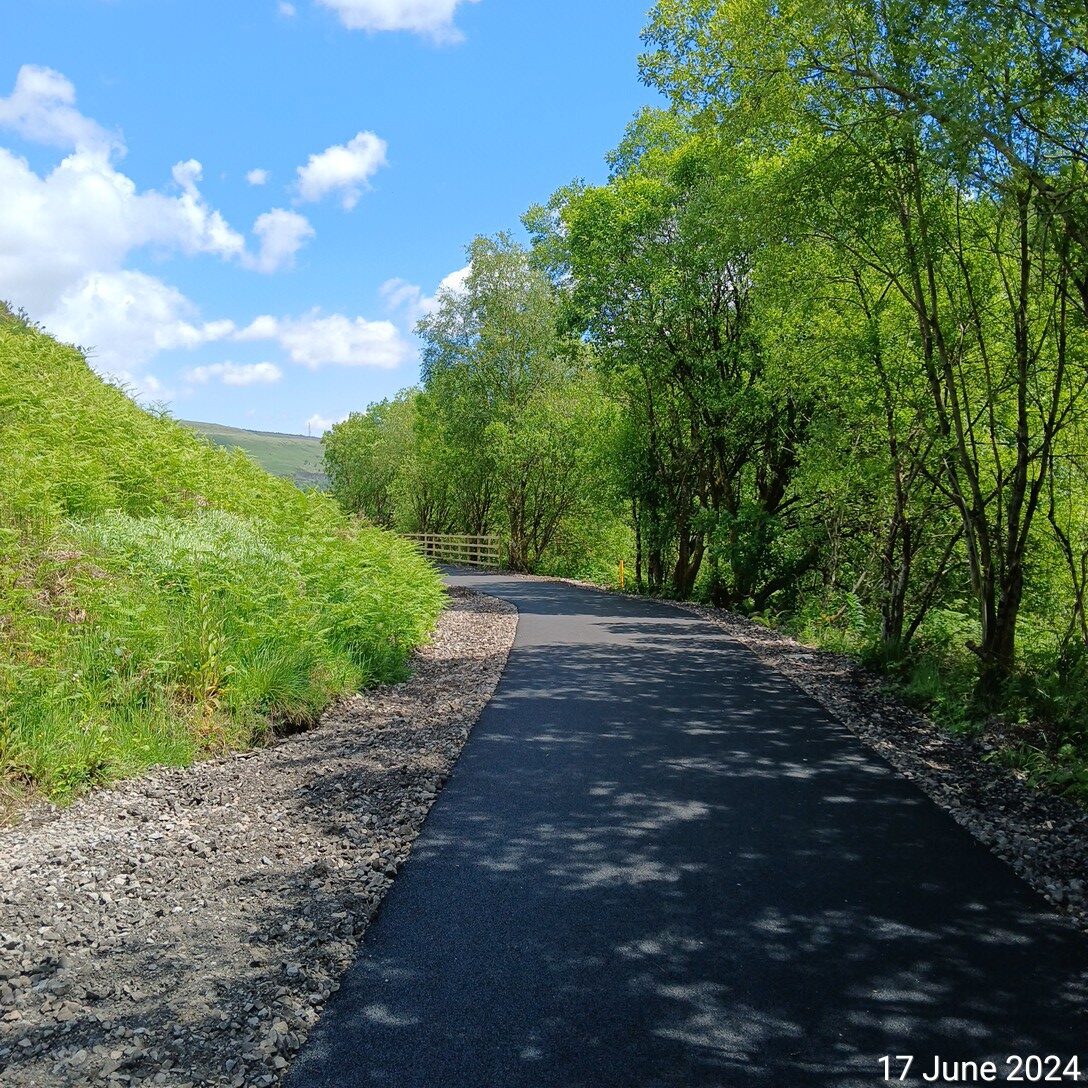
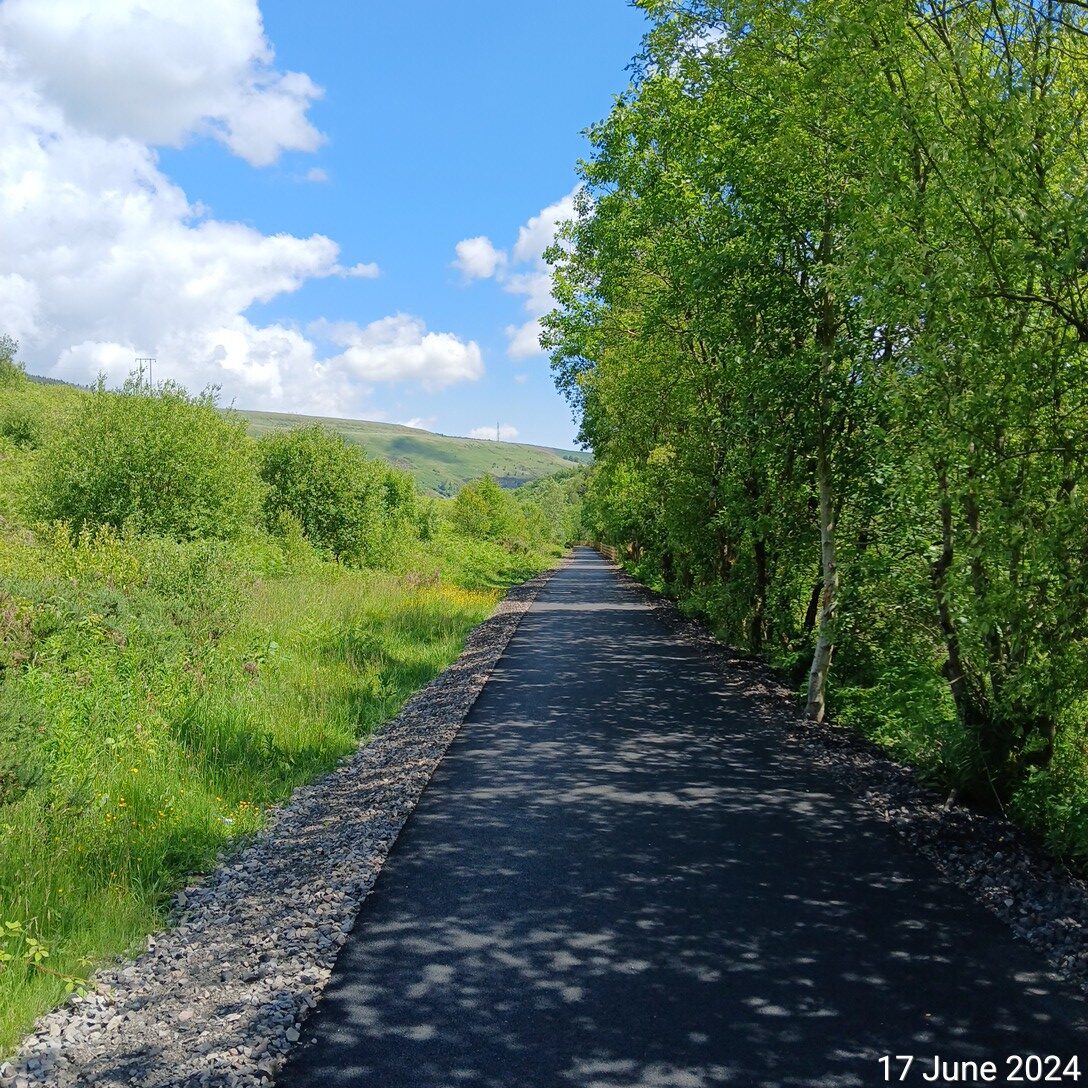
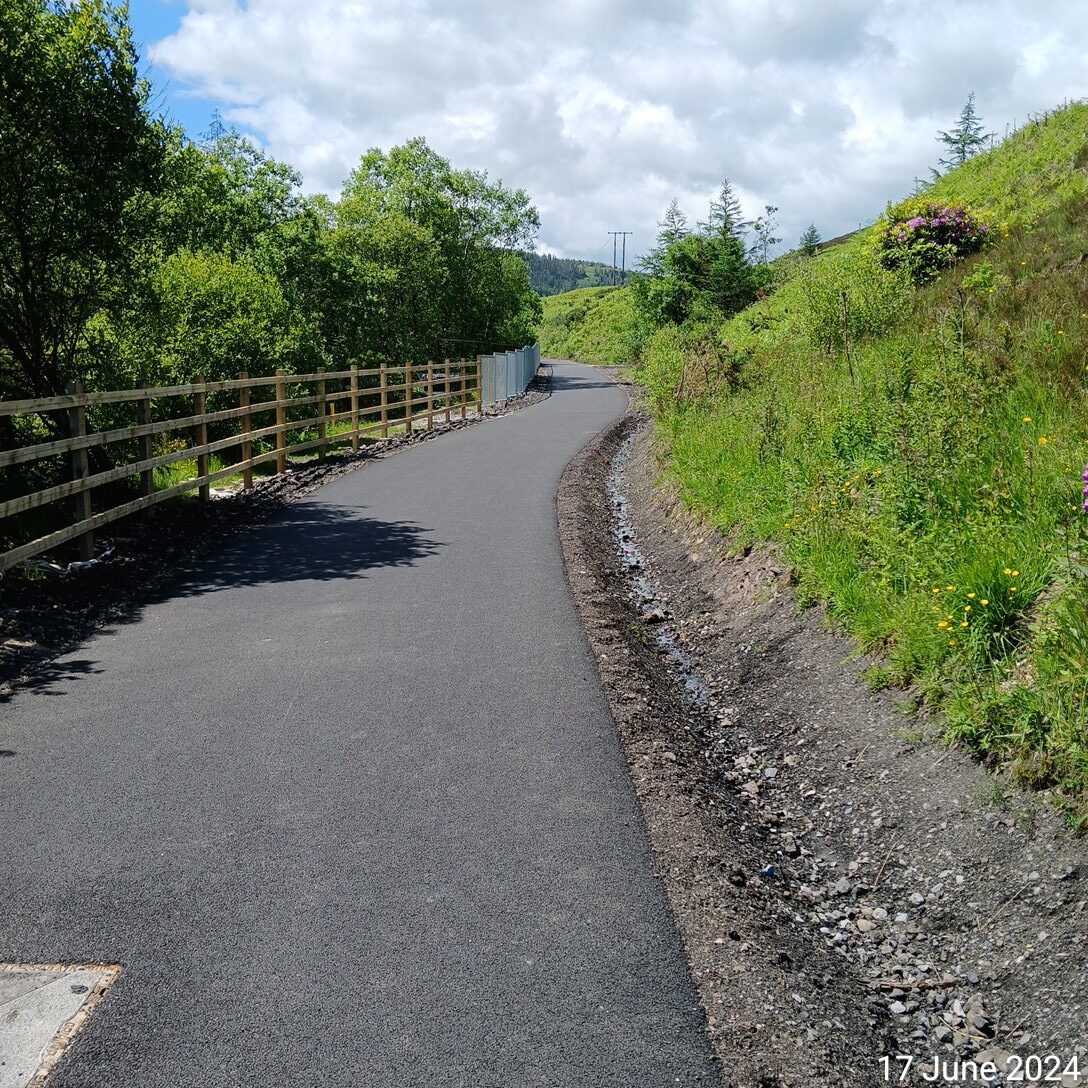
Wildwood Ecology is supporting Rhondda Cynon Taf County Borough Council in the delivery of a 10km active travel route through the Rhondda Fach valley, designed to improve connectivity between local communities. Over several years, we have delivered a comprehensive programme of ecological surveys, secured multiple bat mitigation licences, and provided ongoing ecological supervision to enable construction works.
This has included habitat management, as well as essential repairs to two pedestrian bridges and three retaining walls within a sensitive river corridor. With completion scheduled for 2026, the project demonstrates how large-scale infrastructure can be delivered in a way that balances ecological protection with long-term community benefits.
Challenge
The route passed through a highly sensitive ecological corridor, supporting a range of protected species including bats, otters, nesting birds, amphibians, reptiles and hedgehogs. The presence of the River Fach—designated as a Site of Importance for Nature Conservation (SINC)—and adjacent broadleaved woodland added further ecological constraints.
Existing infrastructure presented particular challenges. Two pedestrian bridges and three retaining walls contained numerous potential bat roosting features, many located within deep, inaccessible crevices. This made direct inspection and safe exclusion of roosting bats difficult using conventional methods.
Working conditions compounded these constraints. All construction activity was restricted to the riverbed, where fluctuating water levels, unpredictable weather, and strict flood risk permit conditions significantly limited access and available working time.
Approach
Wildwood Ecology adopted a dynamic, solutions-led approach, working closely with the design team and contractors to ensure ecological constraints were managed without delaying construction of the active travel route.
Where direct access to structures was not possible, we utilised thermal imaging to monitor bat activity and assess the effectiveness of exclusion measures. Given the scale and complexity of roosting features, bespoke exclusion strategies were developed, including full-face coverage of retaining walls, enabling works to progress while avoiding sensitive periods such as bat hibernation.
All survey and exclusion works were carefully programmed around flood risk permit conditions and restricted riverbed access, ensuring legal compliance while maintaining project momentum.
Close collaboration with contractors on site enabled safe sequencing of works and rapid decision-making, while also ensuring protection measures were implemented for other legally protected species within surrounding habitats.
Regular coordination with the council ensured a responsive and adaptive approach, allowing ecological advice to be integrated into ongoing design and construction decisions.
Outcome
Wildwood Ecology’s approach enabled the safe and compliant delivery of a 10km active travel route, with complex ecological constraints successfully managed throughout construction.
Bats were safely excluded from multiple structures ahead of the hibernation period and within the strict timing constraints of the flood risk activity permit, ensuring full legal compliance. Temporary roosting provisions were installed to maintain ecological continuity during the works.
Close collaboration with Rhondda Cynon Taf County Borough Council and ongoing liaison with Natural Resources Wales ensured a smooth and coordinated delivery process. As a result, the project remains on track for completion in 2026.
The completed route will provide long-term benefits to local communities by significantly improving connectivity across the Rhondda Fach valley, while demonstrating how infrastructure projects can be delivered alongside robust ecological protection.
Experts in Ecology & Arboriculture
Ecology
- Ecological site assessments
- Biodiversity Net Gain
- Protected species surveys
- Protected species mitigation design and licence applications
- Habitat Regulations Assessment
- Ecological Clerk of Works
Arboriculture
- Tree surveys and arboricultural reports (British Standard BS5837:2012)
- Arboriculture Method Statements
- Arboriculture Clerk of Works
- Woodland and Parkland Management Plans
- Veteran and Ancient Tree Assessments