
Bespoke Bat Surveys Supporting the Restoration of Broad Avenue
Ecological support for heritage restoration at Cirencester Park
Client:
Bathurst Estate
Location:
Cirencester, Gloucestershire
Services:
- Ground Level Tree Assessment (GLTA)
- Preliminary Ecological Appraisal (PEA)
- Bat emergence and backtracking surveys
- Bat licence
- Tree climbing
- Ecological Clerk of Works (ECoW)
Overview:
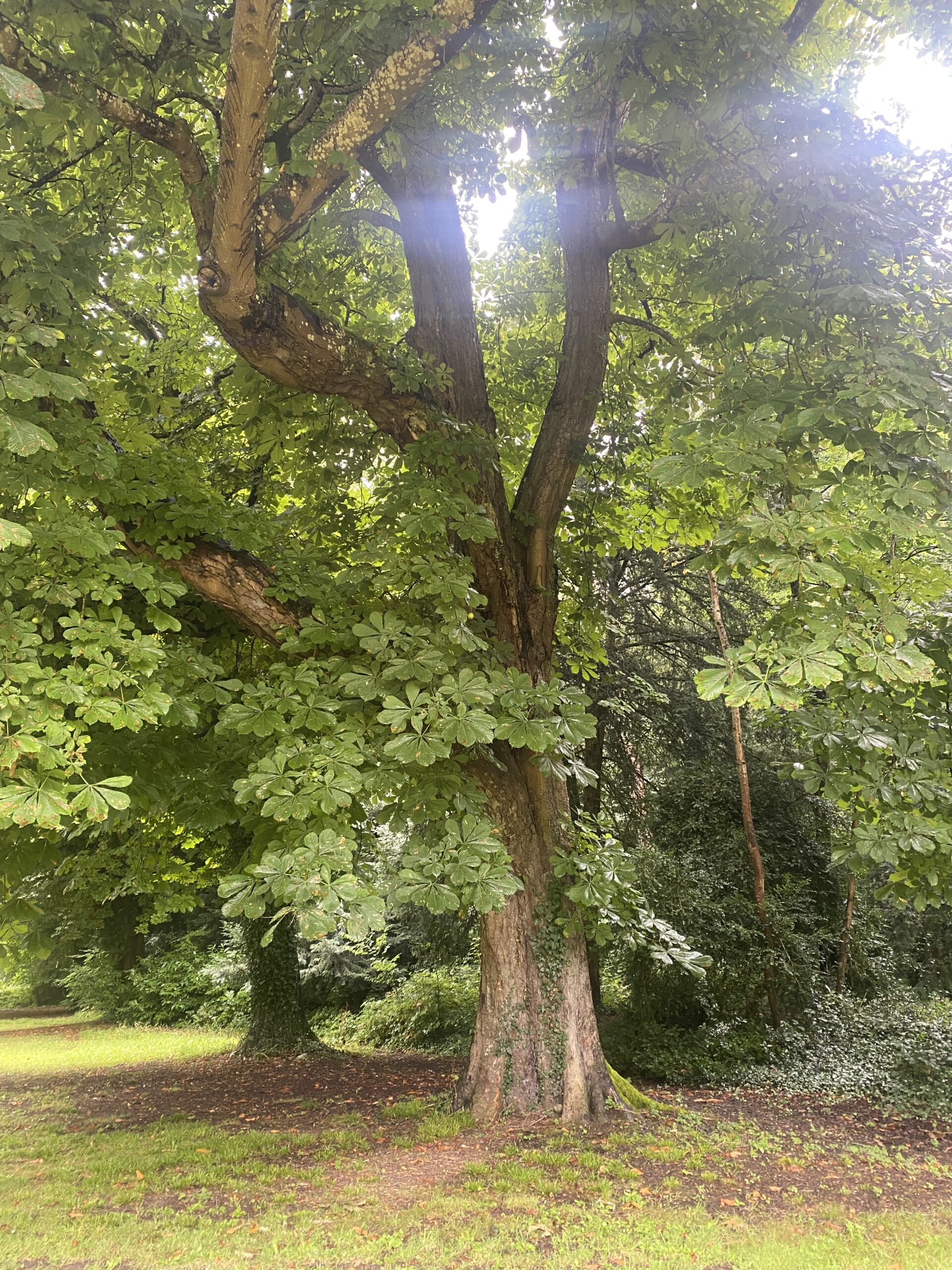
Wildwood Ecology supported Bathurst Estate with ecological consultancy for the restoration of Broad Avenue at Cirencester Park, where over 100 failing horse chestnut trees were identified for removal and replacement with more resilient small-leaved lime trees. The project formed part of wider plans to restore the historic avenue while safeguarding protected bat species using a bespoke survey and licensing approach.
Challenge
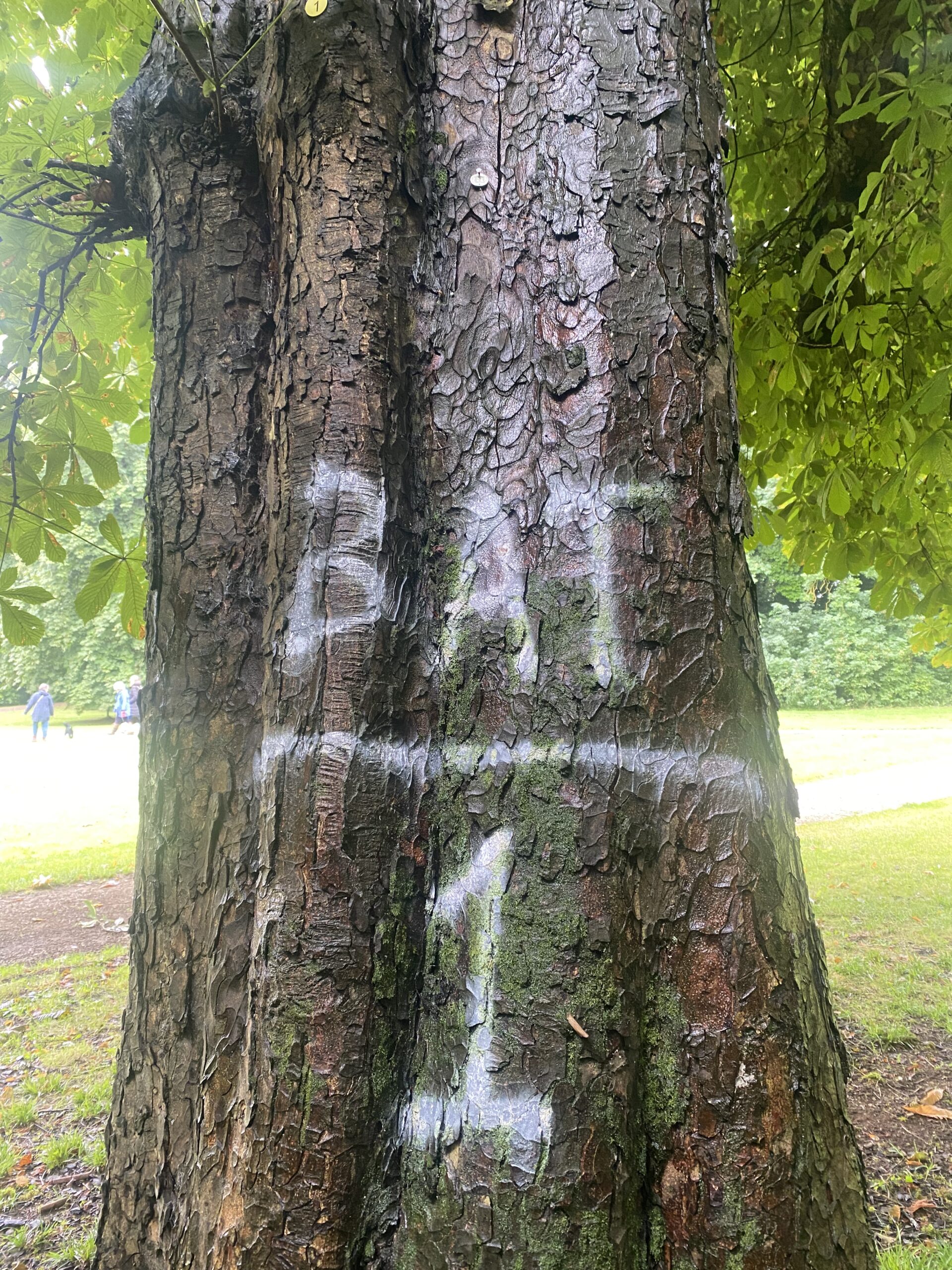
The scale of the tree replacement works created a significant ecological challenge. More than 120 trees required assessment, with 70 identified as having moderate potential to support bat roosts, including maternity roosts. Using standard survey methods, each of these trees could have required three separate climbing inspections or emergence surveys, resulting in more than 300 individual surveys.
This level of survey effort would have been impractical, costly, and difficult to programme, particularly across such a large historic avenue. Wildwood Ecology therefore needed to design a proportionate, robust and legally compliant survey strategy that could identify key bat roosts while supporting the wider restoration of Broad Avenue.
Approach
Wildwood Ecology designed a bespoke bat survey strategy to provide robust evidence without the need for hundreds of separate tree surveys. Rather than relying solely on standard climbing inspections or emergence surveys, the team carried out backtracking surveys over two years to identify bats returning to roosts within the avenue.
These surveys required three teams of ecologists to be on site around two hours before dawn. Surveyors used bat detectors to identify bat activity and infrared and thermal imaging cameras to track bats back to their roost trees. This approach allowed the team to focus on identifying maternity roosts and other key roosting features across the large avenue.
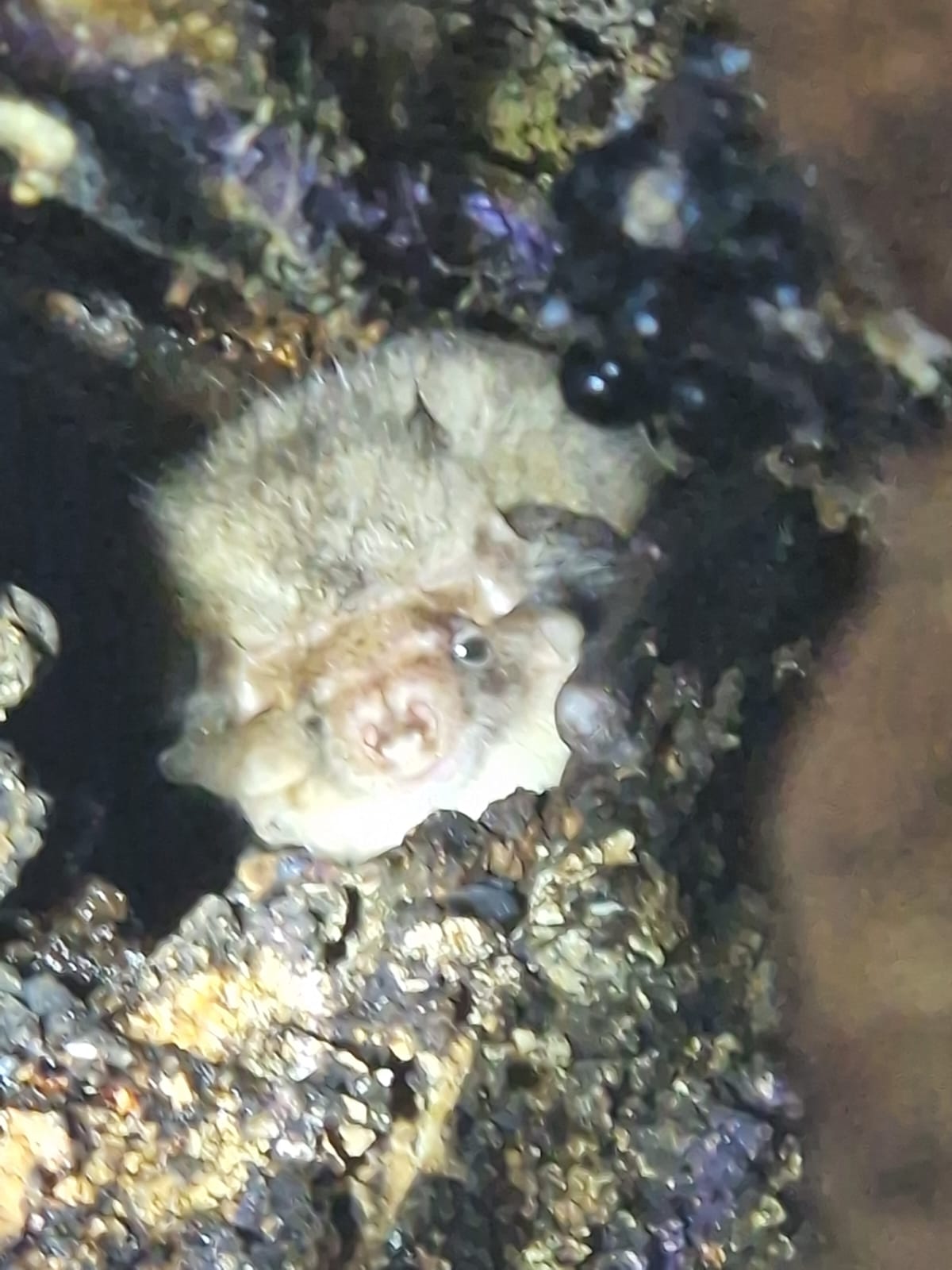
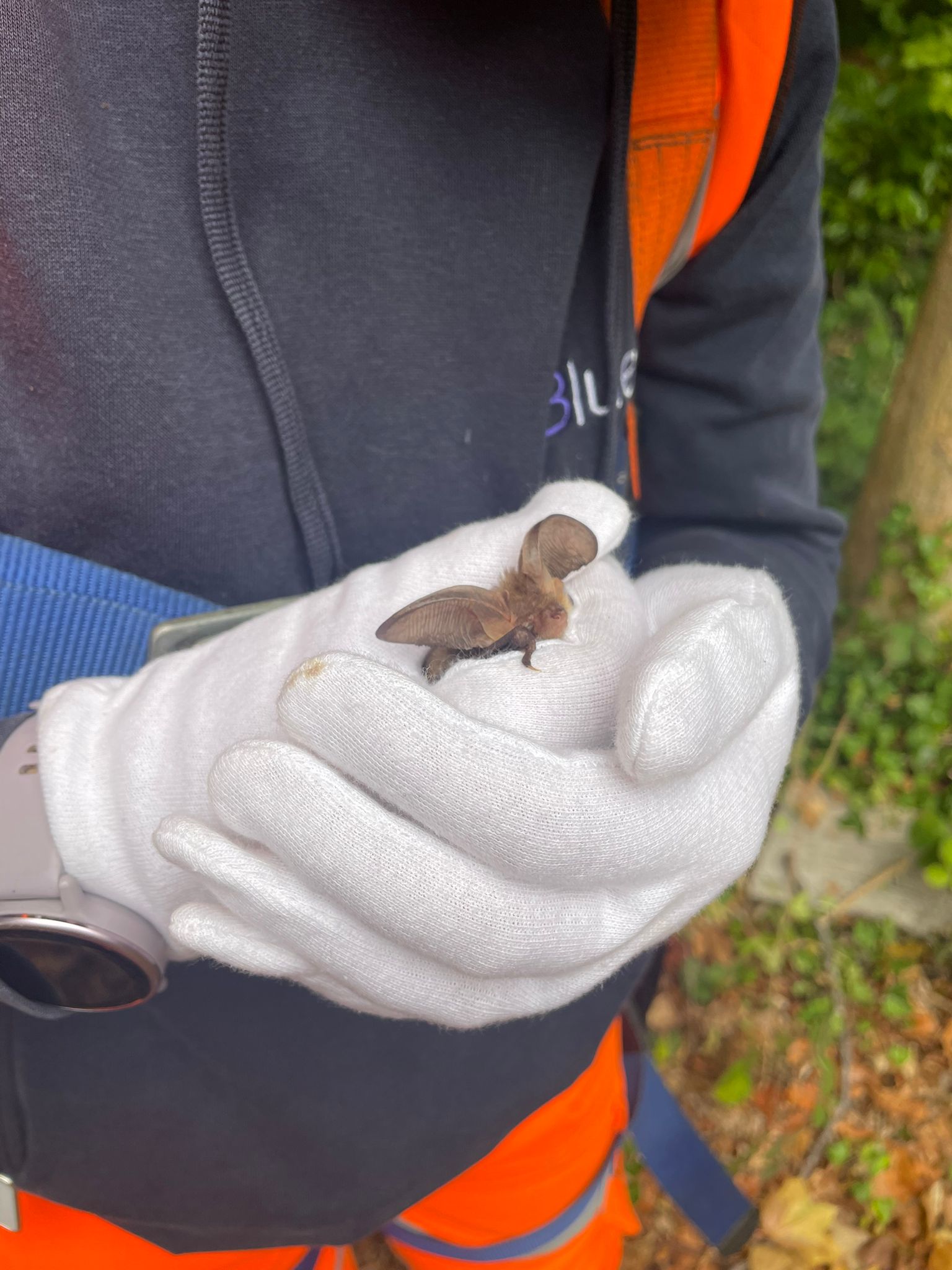
The surveys confirmed several bat roosts within the trees, including soprano pipistrelle and brown long-eared bats, enabling Wildwood Ecology to develop a targeted mitigation and licensing strategy for the restoration works.
Outcome
The bespoke survey strategy provided the evidence needed to secure a protected species licence from Natural England, allowing the Broad Avenue restoration works to proceed in a legally compliant and ecologically sensitive way.
Where active bat roosts were identified, trees were retained wherever possible. Where felling was necessary, works were carefully timed for autumn to avoid the most sensitive periods for breeding and hibernating bats. Trees were only felled following detailed inspection by an ecologist, with exclusion devices used where appropriate to ensure bats were not present during works.
High-value roosting features were soft-felled and relocated onto retained trees, helping to preserve important bat habitat within the avenue. Bathurst Estate also installed more than 70 bat boxes, including large maternity boxes, to provide additional roosting opportunities and strengthen the long-term ecological value of the restored landscape.
Experts in Ecology
Ecology
- Ecological site assessments
- Biodiversity Net Gain
- Protected species surveys
- Protected species mitigation design and licence applications
- Habitat Regulations Assessment
- Ecological Clerk of Works